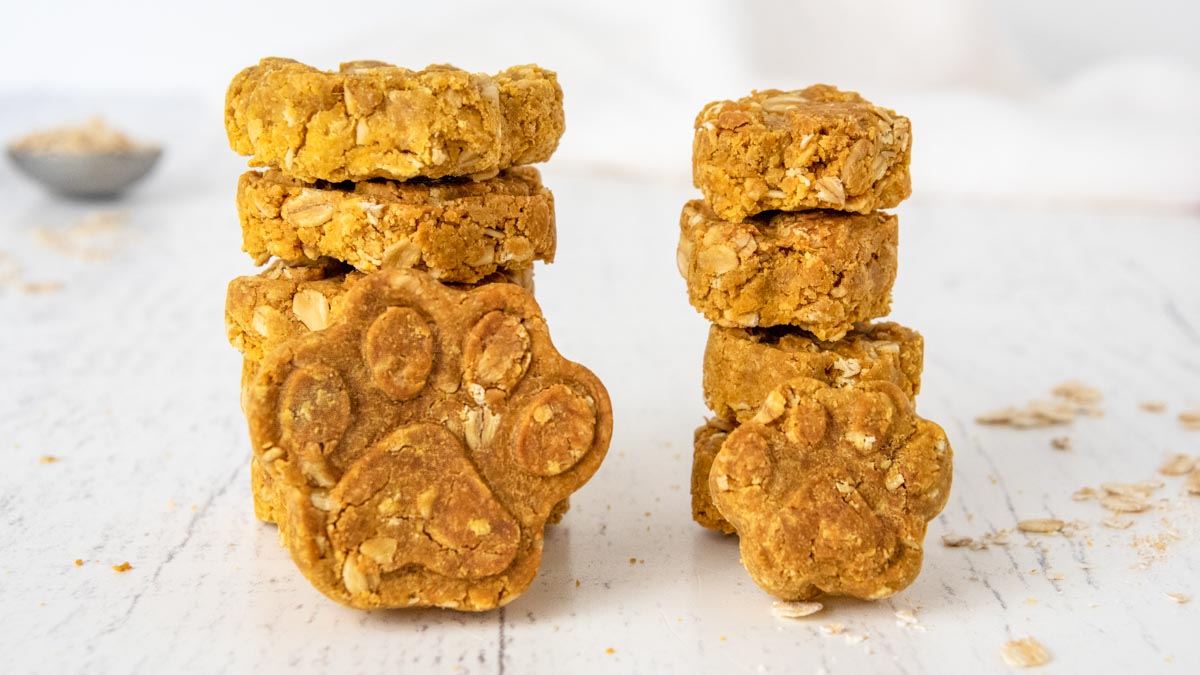
The Heartfelt Joy of Homemade Dog Treats: Healthier, Happier Pups
Our dogs aren't just pets; they're cherished members of our families, bringing boundless joy, comfort, and sometimes a touch of delightful chaos into our lives. From their goofy antics to their unwavering loyalty, they enrich our everyday existence in countless ways. Just like we want the best for our human loved ones, we naturally extend that same desire to our furry companions, striving to provide them with wholesome nutrition and loving care. This often leads us to question what exactly goes into their everyday treats. Are the convenient store-bought options truly the healthiest choice, or is there a simpler, more nutritious path to showing our dogs some extra love? The answer, for many, lies in the delightful simplicity of
homemade dog treats, especially those requiring just three basic ingredients.
Imagine whipping up a batch of delicious, wholesome snacks for your canine pal in minutes, knowing every single ingredient is beneficial and safe. This article will explore the magic of these incredibly easy 3-ingredient creations, delve into why they're often a superior choice to commercial alternatives, and equip you with the knowledge to spoil your pup responsibly and healthily.
Why Homemade Dog Treats Trump Store-Bought Alternatives
The pet food industry is a multi-billion dollar market, and while many reputable brands exist, the sheer volume of options can be overwhelming. Many commercially produced dog treats, unfortunately, come laden with ingredients that offer little to no nutritional value, and some can even be detrimental to your dog's long-term health. Understanding these differences highlights the undeniable advantages of opting for
homemade dog treats.
Firstly, and perhaps most crucially, making treats at home gives you **complete control over the ingredients**. You dictate what goes into your dog's mouth, eliminating the guesswork and the worry. This means you can confidently avoid:
* **Artificial Preservatives:** Many store-bought treats contain synthetic preservatives like BHA, BHT, and ethoxyquin, which prolong shelf life but have been linked to health concerns in animals.
* **Mystery Fillers:** Ingredients like corn syrup, excessive amounts of salt, and undefined "meat by-products" often serve as cheap fillers that add calories without nutrients.
* **Artificial Colors and Flavors:** These are purely for human appeal and offer no benefit to your dog, potentially causing allergic reactions or digestive upset.
* **Harmful Additives:** Certain sugars, excessive salts, and other chemicals designed to enhance taste or texture can contribute to obesity, dental issues, and other health problems.
With homemade options, you hand-pick fresh, natural ingredients known for their benefits. This control is particularly invaluable for dogs with allergies, sensitivities, or specific dietary needs. You can easily tailor recipes to be gluten-free, grain-free, or low-fat, ensuring your dog gets exactly what their body needs without unwanted surprises.
Beyond health, there's also the **cost-effectiveness**. Buying specialty treats can quickly add up, especially for larger dogs or multi-pet households. Basic ingredients for
homemade dog treats are often staples you already have in your pantry, making them a budget-friendly option in the long run.
Finally, there's the **bonding experience**. The act of preparing something special for your dog is a form of love. They appreciate the effort, and you get the satisfaction of knowing you're providing them with the very best. For more on how to avoid questionable ingredients, check out our guide on
Ditch Fillers: Bake Easy Homemade Dog Treats for Your Pup.
Your Go-To 3-Ingredient Homemade Dog Treat Recipe
The beauty of 3-ingredient
homemade dog treats lies in their absolute simplicity and the fact that you likely have these items on hand right now. While there are several variations, the most popular and beloved often revolve around a few key canine-safe ingredients.
The classic combination that forms the base of many favorite recipes includes:
1. **Peanut Butter:** A canine favorite, peanut butter is rich in protein, healthy fats, and vitamins B and E.
* **Crucial Note:** Always ensure your peanut butter does *not* contain xylitol. Xylitol is a sugar substitute that is highly toxic to dogs, even in small amounts. Always read the label carefully and opt for natural, unsweetened peanut butter.
2. **Pumpkin Puree:** Not pumpkin pie filling, which contains added sugars and spices. Pure pumpkin puree is a powerhouse of fiber, supporting healthy digestion, and is packed with vitamins A, C, and E, as well as potassium. It's a fantastic ingredient for overall wellness.
3. **Eggs OR Whole Wheat Flour:**
* **Eggs:** Provide protein and act as an excellent binder. They're full of amino acids and vitamins.
* **Whole Wheat Flour:** Provides structure and is a good source of fiber. If your dog has sensitivities, oat flour or even gluten-free flour blends can be substituted.
**Basic Recipe Idea (using peanut butter, pumpkin, and flour):**
Simply combine approximately 1 cup of pumpkin puree, 1/2 cup of natural peanut butter (xylitol-free!), and 2-2.5 cups of whole wheat flour in a bowl. Mix thoroughly until a stiff dough forms. You might need to adjust the flour slightly depending on the consistency of your pumpkin and peanut butter. Roll out the dough to about 1/4 inch thick and use cookie cutters (fun shapes are always a hit!) or a knife to cut out individual treats. Bake at 350°F (175°C) for 20-30 minutes, or until golden brown and firm. Let them cool completely before serving.
**Basic Recipe Idea (using peanut butter, pumpkin, and eggs):**
For a slightly different texture, you can combine 1/2 cup natural peanut butter, 1/2 cup pumpkin puree, and 2 large eggs. Mix until well combined. For a more solid treat, you can add 1-2 cups of oat flour or whole wheat flour to create a dough that can be rolled and cut. If you prefer a softer, drop-cookie style treat, you can omit the flour and simply drop spoonfuls onto a baking sheet. Bake at 350°F (175°C) for 15-20 minutes, or until set.
**Tips for Customization & Storage:**
* **Flavor Boosts:** A pinch of cinnamon can be a lovely, dog-safe addition. *Avoid nutmeg*, as it can be toxic to dogs.
* **Texture:** For crunchier treats, bake them longer or turn off the oven and let them cool inside as the oven cools.
* **Storage:** Store these
homemade dog treats in an airtight container. At room temperature, they'll last about 5-7 days. In the refrigerator, they can last up to 2-3 weeks. For longer storage, freeze them for up to 2-3 months. Thaw individual treats as needed.
* For more delicious variations and a slightly more elaborate take on pumpkin and peanut butter treats, be sure to check out
Spoil Your Pup: Easy 5-Ingredient Pumpkin Peanut Butter Dog Treats.
Essential Tips for Safe & Healthy Homemade Dog Treats
While making
homemade dog treats is a fantastic way to spoil your pup, safety should always be paramount. Even with the simplest recipes, a few key considerations will ensure your furry friend stays happy and healthy.
1. **Always Double-Check Ingredients:** We cannot stress enough the importance of scrutinizing labels, especially for peanut butter, to ensure no xylitol is present. Xylitol is incredibly dangerous. Familiarize yourself with a list of common foods toxic to dogs (chocolate, grapes, raisins, onions, garlic, avocado, macadamia nuts, alcohol, and certain artificial sweeteners are common culprits).
2. **Use High-Quality, Fresh Ingredients:** Just like human food, the better the quality of your ingredients, the more nutritious and appealing the end product will be. Use fresh eggs, pure pumpkin, and natural peanut butter.
3. **Portion Control is Key:** Even healthy treats contribute to your dog's caloric intake. Treats should never make up more than 10% of their daily diet. Overfeeding can lead to weight gain and associated health problems. Adjust the size of your treats according to your dog's breed, size, and activity level.
4. **Introduce New Ingredients Slowly:** If you're experimenting with a new ingredient for your dog, introduce it in small amounts and monitor for any adverse reactions like upset stomach, itching, or lethargy. Every dog is unique and can have different sensitivities.
5. **Consult Your Veterinarian:** If your dog has underlying health conditions, allergies, or is on a special diet, always consult with your vet before introducing new foods or making significant changes to their treat regimen. They can offer personalized advice to ensure any new treats are suitable for your dog's specific needs.
6. **Proper Storage Prevents Spoilage:** Because homemade treats lack the artificial preservatives found in commercial options, they have a shorter shelf life. Always store them in airtight containers and refrigerate or freeze them to prevent mold and bacteria growth.
Conclusion
Embracing the world of
homemade dog treats is more than just a culinary adventure; it's a testament to the deep bond we share with our canine companions. By choosing simple, wholesome ingredients and taking a few minutes out of your day, you provide your dog with treats that are not only delicious but also significantly healthier than many store-bought alternatives. You gain peace of mind, knowing exactly what's nourishing your pup, while simultaneously reducing exposure to fillers, artificial additives, and potential allergens.
The joy on your dog's face as they eagerly gobble up a treat made with love is truly priceless. So, gather those three simple ingredients, preheat your oven, and prepare to embark on a delightful journey of spoiling your furry family member in the healthiest, most heartfelt way possible. Your dog will thank you with wagging tails and endless affection!